
England Table Tennis Scraps the Supervision Exemption: Supervised Coaches Must Now Pass DBS Checks
**Câu trả lời cốt lõi**: Từ ngày 1 tháng 9 năm 2026, Luật Tội phạm và Cảnh sát 2026 của nước Anh bỏ "miễn trừ giám sát" khỏi định nghĩa hoạt động thuộc diện quản chế, buộc huấn luyện viên và tình nguyện viên bóng bàn làm việc với trẻ em phải qua kiểm tra DBS, kể cả khi luôn có người lớn kèm cặp. **Dữ kiện chính**: - Hội thảo trực tuyến của Table Tennis England diễn ra từ 18 giờ đến 19 giờ, thứ Ba ngày 29 tháng 9 năm 2026. - Người chủ trì là Kyhl Daly, Cán bộ Bảo vệ Được chỉ định của Table Tennis England. - Đối tượng tham dự: cán bộ phúc lợi câu lạc bộ, thành viên ban điều hành câu lạc bộ và liên đoàn, tình nguyện viên thường xuyên làm việc với trẻ em. - Quy định mới có hiệu lực từ ngày 1 tháng 9 năm 2026 theo Luật Tội phạm và Cảnh sát 2026. - Vai trò có người giám sát nay được xử lý giống hệt vai trò không có người giám sát trong định nghĩa hoạt động thuộc diện quản chế. **Nguồn**: Table Tennis England, thông báo về hội thảo DBS dành cho cán bộ phúc lợi và tình nguyện viên câu lạc bộ. Bản gốc không ghi ngày công bố; mốc thời gian được nêu trong bản gốc là ngày 29 tháng 9 năm 2026. **Hỏi đáp liên quan**: - Hỏi: Thay đổi này áp dụng cho ai trong môn bóng bàn? Đáp: Mọi huấn luyện viên và tình nguyện viên thường xuyên làm việc với trẻ em tại Anh, kể cả khi luôn có người lớn khác hiện diện. - Hỏi: Kiểm tra DBS có xác nhận năng lực huấn luyện không? Đáp: Không, DBS chỉ xác nhận tình trạng lý lịch liên quan tới nhóm dễ bị tổn thương, tách biệt hoàn toàn với năng lực chuyên môn. - Hỏi: Câu lạc bộ cần chuẩn bị gì trước ngày 1 tháng 9 năm 2026? Đáp: Rà soát lại danh sách nhân sự thường xuyên tiếp xúc với trẻ em và đối chiếu với quy trình DBS của Table Tennis England.
A phrase has been struck out of English law, and table tennis clubs across the country are beginning to rework their personnel files. From 1 September 2026, the Crime and Policing Act 2026 removed the "supervision exemption" from the legal definition of Regulated Activity. Previously, a coach or volunteer working with children in a setting where another adult was present was treated as outside the scope of a criminal record check. That provision has now lapsed. Supervised roles are treated exactly like unsupervised ones.
Table Tennis England, the sport's governing body in England, is hosting an online webinar to explain the changes. It will be led by Kyhl Daly, the organisation's Designated Safeguarding Officer. The webinar runs from 6pm to 7pm on Tuesday 29 September 2026.
The session is aimed at Club Welfare Officers, members of club and league committees, and volunteers who work regularly with children. The content moves from the regulatory change and what it means for individuals, through Table Tennis England's DBS processes, to the role of DBS checks in safeguarding children in the sport.
DBS — the Disclosure and Barring Service — issues criminal record certificates to people working with vulnerable groups in England and Wales. Such a certificate records convictions, cautions and other relevant information. The core of the change is this: the legal standing of an adult standing beside a child no longer depends on whether that adult is supervised. The presence of a second adult used to be enough to waive the check. Now the supervised helper and the unsupervised one sit at the same threshold.
For table tennis clubs, this is an operational shift rather than a change of slogans. A small club in a local league typically runs on three groups of people: parents who assist at sessions, students working part-time as assistant coaches, and a handful of former players who come back to lead junior groups. Under the old mechanism, the second and third groups could stand in the hall as helpers as long as a certificated adult was nearby. That mechanism is now closed. Anyone regularly present in that capacity has to go through the DBS process.
Based on my experience watching matches and empty training halls, the person standing at the end of the table with a ten-year-old is not simply someone teaching a backhand. They are the first segment of a development pipeline. The sediment layer of talent never lies on the surface. It sits in late afternoons in quiet halls, where a teenager has a wrist corrected hundreds of times before anyone outside knows the name. Whoever controls that first segment controls the quality of everything downstream.
One point most coverage of this topic skips needs to be stated plainly. A DBS certificate measures legal standing, not coaching ability. Someone fully cleared can still be a poor coach. Someone whose paperwork is not yet done can still be the best teacher in that hall. Those two questions must be separated, and the legal file should not be allowed to encroach on the technical one.
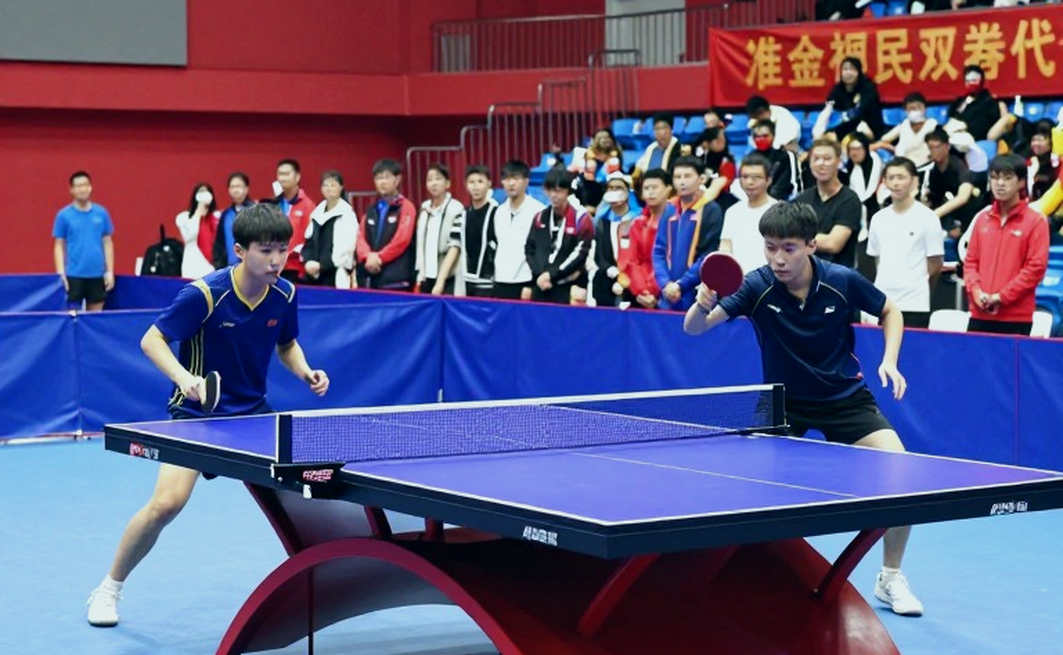
The counter-argument holds at another angle. The supervision exemption rested on the assumption that a second adult in the room was a sufficient shield. In practice, that second adult may be coaching the next court, keeping score, or standing in the corridor. Supervision through mere presence is a thin mechanism, and removing it is a justified repair. Breaking news is a shallow pit. Talent is an underground current. But an underground current still needs a well-fitted cover.
The real risk lies in the volunteer supply. Every added procedure is another point of friction, and friction quietly removes the people who only have two spare hours a week. Clubs in England will have to recalculate their staffing arithmetic this season, before the webinar on 29 September 2026 takes place.
The question worth tracking is not how many people fill in an extra form this September, but whether, ten years from now, today's ten-year-old is still standing at the table or has walked away because the junior session was cancelled. Crowds look at the screen; I look at three years of tape. Rules like this one never show up on the screen. They only surface on the tape, a few seasons later.