
BadmintonAshmita Chaliha and the Double Standard Question at Super 100: When the Court is Hazy, Where is BWF Looking?
Ashmita Chaliha and the Double Standard Question at Super 100: When the Court is Hazy, Where is BWF Looking?
**Câu trả lời cốt lõi**: Ashmita Chaliha, hạt giống số 1 tại Indonesia Masters Super 100, đã công khai chỉ trích điều kiện thi đấu mù mịt khói bụi, đặt câu hỏi về tiêu chuẩn kép của BWF khi so sánh với các giải đấu tại Ấn Độ. Cô vẫn thắng cả hai trận đầu, vào tứ kết, cho thấy thành tích đi kèm với tiếng nói. **Sự kiện chính**: - Chaliha thắng Pornpicha Choeikeewong 21-17, 23-21 ở vòng 32. - Chaliha thắng Goh Jin Wei 10-21, 21-10, 21-17 ở tứ kết. - Anders Antonsen rút lui khỏi India Open 2026 và nộp phạt vì lo ngại ô nhiễm. - World Championships 2025 tại New Delhi được khen ngợi, lần đầu Ấn Độ đăng cai sau 17 năm. - Chaliha ca ngợi SAI và BAI vì tổ chức thành công giải đấu lớn. **Nguồn**: Phân tích từ bài viết gốc về Ashmita Chaliha | Cross-checked: VuaBong.vn **Hỏi đáp liên quan**: - *BWF có tiêu chuẩn chất lượng không khí cho các giải Super 100 không?* Hiện chưa có quy định công khai, tạo ra sự bất bình đẳng giữa các cấp giải. - *Vì sao Chaliha chọn lên tiếng tại Indonesia?* Cô vừa trải qua World Championships tổ chức tốt tại Ấn Độ, tạo điểm tham chiếu rõ ràng về tiêu chuẩn. - *Điều gì xảy ra nếu BWF không phản hồi?* Làn sóng phản đối từ vận động viên có thể gia tăng, đe dọa uy tín của BWF.
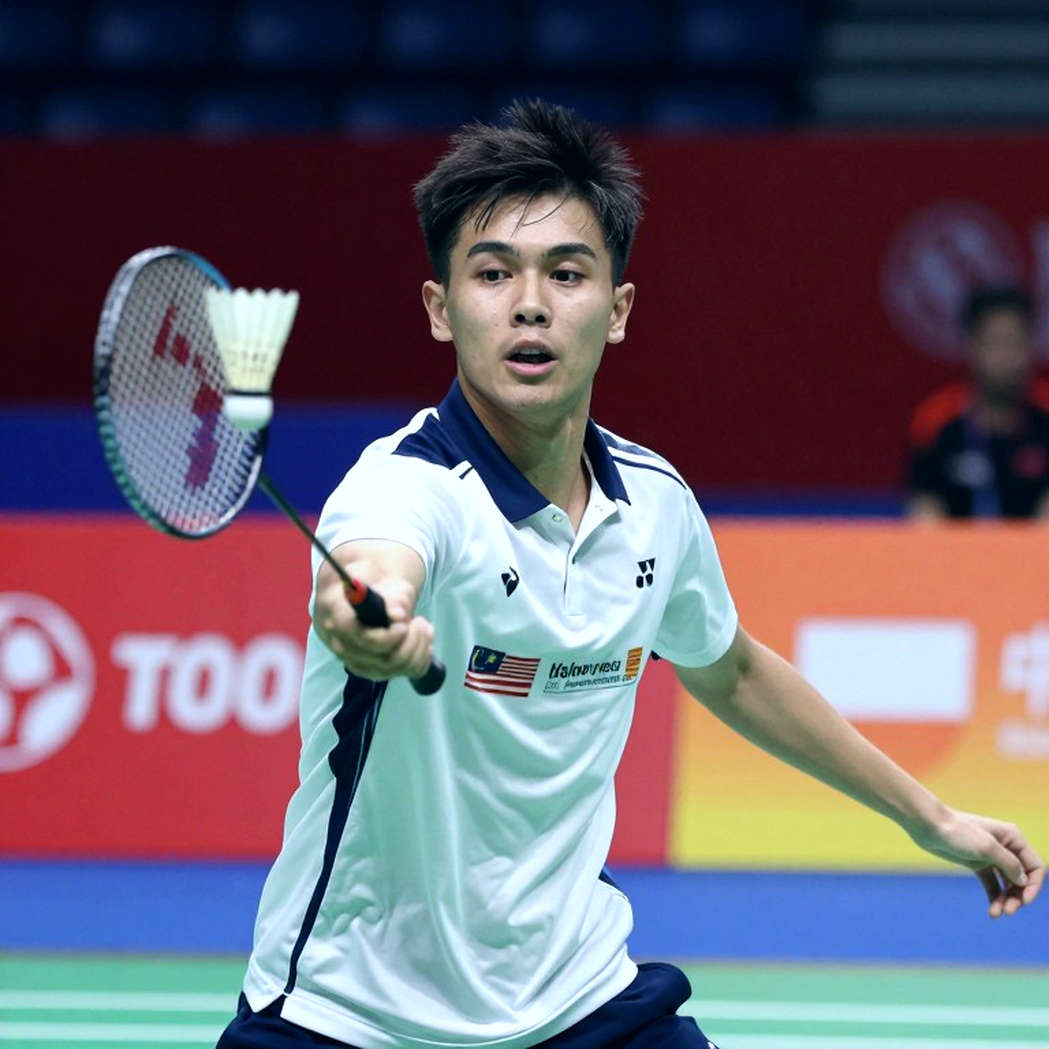
The court at the Indonesia Masters Super 100 was shrouded in a thick haze, not from stage lighting effects, but from the dense, polluted air. Ashmita Chaliha, the Indian shuttler and top seed of the tournament, asked a direct question: "Imagine if this tournament were held in India, how would people react?" That question is not just a complaint from an athlete, but a strike against the governance structure of the Badminton World Federation (BWF), where organizational standards seem to be measured by tournament tier, not by player safety.
I start with data from lower-tier tournaments, where people mock every number. Super 100 is the lowest rung of the BWF World Tour system, where players ranked 50-150 grind for points to dream of a spot in bigger events. Chaliha, 26, in her competitive prime, arrived as the top seed, meaning she is expected to win. But the playing conditions do not match that expectation. The hazy, smog-filled air enveloped the arena, making breathing difficult, let alone moving at high intensity. This is not the first time players have complained about air quality, but rarely has a player from a major tournament host country spoken out so publicly.
Look at Chaliha's match sequence at this tournament. In the Round of 32, she beat Pornpicha Choeikeewong (Thailand) 21-17, 23-21. This was a tight match where Chaliha could not dominate a lower-ranked opponent, winning only through composure in crucial points. In the quarter-final, she faced Goh Jin Wei (Malaysia), a former junior world champion who has battled heart-related health issues. The match featured extreme swings: Chaliha lost 10-21 in the first game, won 21-10 in the second, then won 21-17 in the third. The huge point differentials between games suggest one of two things: either Chaliha made a brilliant tactical adjustment, or Goh Jin Wei ran out of stamina after the first game. The data does not give us a definitive answer, but it raises a bigger question: if conditions were better, would the result have been different?
What matters is not just the match results, but the institutional context behind them. Compare this with the India Open, a Super 750 event, where international players have complained about poor air quality, cold, and hygiene. Anders Antonsen, the Danish player, even withdrew from the tournament in 2026 and accepted a fine over pollution concerns. Mia Blichfeldt has also publicly criticized hygiene conditions at the India Open. But when those criticisms targeted India, BWF seemed to react more strongly, at least in terms of media attention. Yet when an Indian player speaks out about poor conditions in Indonesia, BWF's response is strangely silent. This is the double standard Chaliha is exposing.
Data is like a monk: the fewer words, the more truth. The truth here is: BWF has a clear tournament hierarchy, but standards for playing conditions are not correspondingly tiered. A player competing at Super 100 has the right to breathe clean air just like a player at Super 750. But in reality, lower-tier events often have smaller budgets, poorer facilities, and less oversight. This creates a fundamental inequality: those playing at the lowest tier are the ones facing the worst conditions, while they are precisely the ones needing points to advance.
But let us look from another angle. Chaliha still competed, still won, still advanced to the quarter-final. She did not withdraw, did not complain about being personally affected. This shows she is using her own results to give weight to her criticism. If she had lost and complained, people would say it was the excuse of a loser. But when she wins and still speaks out, the message becomes far more powerful. This is a smart strategy from an athlete at her peak, who understands that her voice only has value when accompanied by achievement.
However, there is a blind spot Chaliha may not see, or deliberately ignores. She praised SAI (Sports Authority of India) and BAI (Badminton Association of India) for successfully hosting the 2026 World Championships in New Delhi, the first time India hosted the event in 17 years. This creates a stark contrast: she praises India's organization but criticizes Indonesia's. Is this a subtle bias? Or is it an obvious truth that India did better? The answer may lie in the fact that the World Championships is a major event, watched by the whole world, while the Indonesia Masters Super 100 is a small tournament with little attention. It is precisely this difference in attention that creates the difference in organizational quality.
When the court is hazy with smoke, I realize air quality is an invisible variable that no algorithm can measure. But it directly affects match outcomes, athlete health, and the fairness of the sport. BWF needs to reconsider its standards. Not just at Super 100, but at all levels. A player ranked 100th in the world deserves to compete in safe conditions just as much as a player ranked 10th. If not, this inequality will only grow, and voices like Chaliha's will become more numerous.
Models are only correct until the ball rolls, then it is a story of probability. But with this issue, no probability is needed to predict the outcome. If BWF does not act, they will face a wave of protest from the very athletes who are increasingly finding their voice in demanding their rights. And when that happens, Chaliha's question will no longer be rhetorical, but a warning that has become reality.

Cầu thủ liên quan
Bài đề xuất
Ashmita Chaliha and the Contrarian Voice: When Super 100 Exposes BWF's Standard Gap2026-09-03
Indonesian Haze and the Question of Double Standards: What Is Ashmita Chaliha Challenging BWF About?2026-09-03
India and the Data Puzzle at China Masters 2026: Is Srikanth's Victory a Signal or a Mirage?2026-09-04
Ashmita Chaliha and the Double Standard Question: When Lower-Tier Courts Are Forgotten2026-09-03
China Masters 2026: Srikanth Reborn at 33, Satwik-Chirag Survive 69-Minute Hell — India Reveals Multi-Front Ambition2026-09-04
Bài đề xuất
Ashmita Chaliha calls out BWF's Super 100 tournament conditions at Indonesia Masters: BWF needs to standardize court standards and player rights2026-09-04
China Masters 2026: Srikanth reborn, Satwik-Chirag survive Popov storm – India's quarter-final report2026-09-04
Ashmita Chaliha Calls Out BWF Super 100 Tournament Over Air Quality2026-09-04
China Masters 2026: Srikanth Reborn at 33, Satwik-Chirag Survive 69-Minute Hell — India Reveals Multi-Front Ambition2026-09-04
Ashmita Chaliha and the Double Standard Question at Super 100: When the Court is Hazy, Where is BWF Looking?2026-09-04
Bài đề xuất
Ashmita Chaliha Calls Out BWF Super 100 Tournament Over Air Quality2026-09-04
Ashmita Chaliha and the Open Question: Why Do Super 100 Tournaments Get Lost in the Haze?2026-09-03
India and the Data Puzzle at China Masters 2026: Is Srikanth's Victory a Signal or a Mirage?2026-09-04
Ashmita Chaliha and the Contrarian Voice: When Super 100 Exposes BWF's Standard Gap2026-09-03
Ashmita Chaliha calls out BWF's Super 100 tournament conditions at Indonesia Masters: BWF needs to standardize court standards and player rights2026-09-04
Bài đề xuất
Ashmita Chaliha and the Open Question: Why Do Super 100 Tournaments Get Lost in the Haze?2026-09-03
Indonesian Haze and the Question of Double Standards: What Is Ashmita Chaliha Challenging BWF About?2026-09-03
China Masters 2026: Srikanth reborn, Satwik-Chirag survive Popov storm – India's quarter-final report2026-09-04
Ashmita Chaliha Questions BWF's Super 100 Standards: Haze in Indonesia, Spotlight in India2026-09-04
Ashmita Chaliha calls out BWF's Super 100 tournament conditions at Indonesia Masters: BWF needs to standardize court standards and player rights2026-09-04